Long before Kathmandu became the center of power, before the Gorkha expansion unified Nepal, and centuries before tourists discovered the Himalayas, there existed a powerful kingdom in the far western reaches of Nepal that few people today have ever heard of. The Doti Kingdom, once one of Nepal’s most formidable medieval states, left behind a magnificent yet crumbling testament to its glory — Doti Palace, a nearly forgotten architectural marvel that tells the story of a lost civilization.
Today, as restoration efforts breathe new life into these ancient stones, travelers are beginning to discover what historians have long known: Doti Palace is not just a ruin. It’s a portal to understanding the complex, multi-kingdom history of Nepal that existed long before the country we know today.
The Kingdom That Time Forgot
According to historical records, the Doti Kingdom emerged around the 13th century from the dissolution of the mighty Katyuri Kingdom of Kumaon. When the Katyuri realm fragmented into eight princely states for the ruling family’s eight sons, Doti became one of the most powerful among them. Founded by Niranjan Malla Dev, the kingdom would endure for over five centuries, with its rulers known as “Raikas” — a title that commanded respect throughout the western Himalayas.
What made Doti remarkable wasn’t just its longevity, but its power. The Raikas successfully defeated the Khas Malla rulers of the Karnali Zone, establishing dominance over what we now call Sudurpashchim Province — Nepal’s far western frontier. For centuries, this was no peripheral kingdom. Doti was a political and cultural center in its own right, controlling trade routes between India and Tibet, and wielding influence that extended far beyond its borders.
Architecture of Ambition: The Palace Complex
Built during the reign of King Bhupati Shah, Doti Palace was no modest residence. Spread across approximately 46 ropanis (about 5.7 acres), the complex was designed to project power and prosperity. Historical accounts describe a sprawling estate featuring:
- Two main palace buildings with a combined 40 rooms
- Walls constructed from massive stones — some measuring up to 11 feet in length — cladded with intricate brick masonry
- Slate-tiled roofs that have weathered centuries of Himalayan monsoons
- Servant quarters, entertainment halls, and altar rooms reflecting the complexity of royal court life
- A temple dedicated to Bhairava, the fierce manifestation of Shiva, serving as the kingdom’s spiritual center
- A secret tunnel connecting the palace to the Seti River, allowing queens to bathe in privacy — a remarkable feat of medieval engineering
From this palace, all administrative functions of the Doti state were conducted. Here, the Raikas held court, made laws, settled disputes, planned military campaigns, and received ambassadors from neighboring kingdoms. The palace was not merely a residence; it was the beating heart of an entire civilization.
The Fall of an Empire
Every empire meets its end, and for Doti, that moment came in 1790 (1847 Bikram Sambat). The unstoppable force of Prithvi Narayan Shah’s Gorkha expansion, which had already conquered the Kathmandu Valley and was systematically absorbing Nepal’s fractured kingdoms, finally reached the far west.
Led by the formidable General Amar Singh Thapa, the Gorkhali army engaged Doti forces at Nari-Dang on the banks of the Seti River. The Doteli forces, operating from their base at Dumrakot, fought valiantly but were ultimately overwhelmed. King Deepshahi fled to Pilibhit in present-day India, and the centuries-old Doti Kingdom became part of unified Nepal.
The palace that had stood as a symbol of power and independence for over 500 years fell silent. The administrative center was moved elsewhere. And slowly, inexorably, the palace began its decline.

Centuries of Neglect
For over two centuries, Doti Palace languished in obscurity. Far from the tourist circuits that developed around Kathmandu, Pokhara, and Everest, and lacking the resources or attention of central government preservation efforts, the palace suffered what can only be described as architectural pillaging.
According to preservation reports, the unprotected site became a source of building materials for locals. The massive stones that had stood for centuries were carted away. Ornate wooden carvings disappeared into private collections or were used as firewood. Slate roof tiles were repurposed for newer constructions. What had once been Nepal’s westernmost seat of power became, in practical terms, a quarry.
By the early 21st century, much of the palace was in ruins. Walls crumbled. Rooms stood open to the sky. The secret tunnel to the Seti River collapsed. The once-magnificent complex was reduced to skeletal stone walls and fading memories in the minds of Doti’s elderly residents.
A Palace Reborn: Restoration Efforts
In recent years, however, something remarkable has happened. The Department of Archaeology of Nepal, recognizing the historical and cultural significance of Doti Palace, has initiated restoration efforts to preserve what remains and, where possible, reconstruct what was lost.
This work represents more than architectural preservation. It’s an acknowledgment that Nepal’s history extends far beyond the Kathmandu Valley, that the narrative of this nation includes powerful kingdoms in the far west, and that these stories deserve to be told, preserved, and celebrated.
The restoration faces significant challenges. Much has been lost, and archaeological work must proceed carefully to understand the original structures. Funding is limited, and the remote location makes logistics difficult. Yet progress continues, driven by historians, archaeologists, and local advocates who understand what’s at stake.
Visiting Doti Palace Today
Location and Access
Doti Palace is located in Dipayal Silgadhi, the district headquarters of Doti District in Sudurpashchim Province — Nepal’s westernmost province. Getting here is part of the adventure:
- By Air: Fly from Kathmandu to Dhangadhi (approximately 1.5 hours), then drive 5-6 hours to Dipayal Silgadhi
- By Road: Long-distance bus from Kathmandu (approximately 18-20 hours) — scenic but arduous
- From India: Cross at Mahendranagar border, then drive north approximately 7-8 hours
What to Expect
This is not a polished tourist site with gift shops and guided tours. Doti Palace is an active archaeological site in a remote location. Visitors will find:
- Partially restored walls and structures revealing the palace’s original scale
- Information boards (primarily in Nepali) explaining the site’s history
- Ongoing restoration work — you may see archaeologists and workers at the site
- Spectacular views of the Seti River valley and surrounding hills
- Few other tourists — this is off the beaten path
Best Time to Visit
October to March offers the best weather conditions. Summers (June-August) bring heavy monsoon rains that can make access difficult and archaeological sites muddy. Spring (March-April) and autumn (October-November) provide clear skies and comfortable temperatures for exploration.
Entry and Permits
Currently, there is minimal entry fee (if any) and no special permits required beyond what you need to be in Nepal (tourist visa). However, as restoration progresses and the site becomes more formalized, this may change. Check with the Department of Archaeology or local tourism offices for current information.
Beyond the Palace: Exploring Doti District
A journey to Doti Palace provides an excellent opportunity to explore one of Nepal’s least-visited regions. The district offers:
Other Historical Sites
- Jor Khabar Gadi — Another palace fortress from the Doti Kingdom era
- Chandani Temple — Ancient temple with intricate stone carvings
- Dumrakot — The strategic military base where Doti forces made their last stand against the Gorkhalis
- Nari-Dang — Historic battlefield site along the Seti River
Natural Attractions
- Seti River — Sacred river with stunning gorges and valleys
- Khaptad National Park — Nearby protected area with unique grasslands and meditation caves
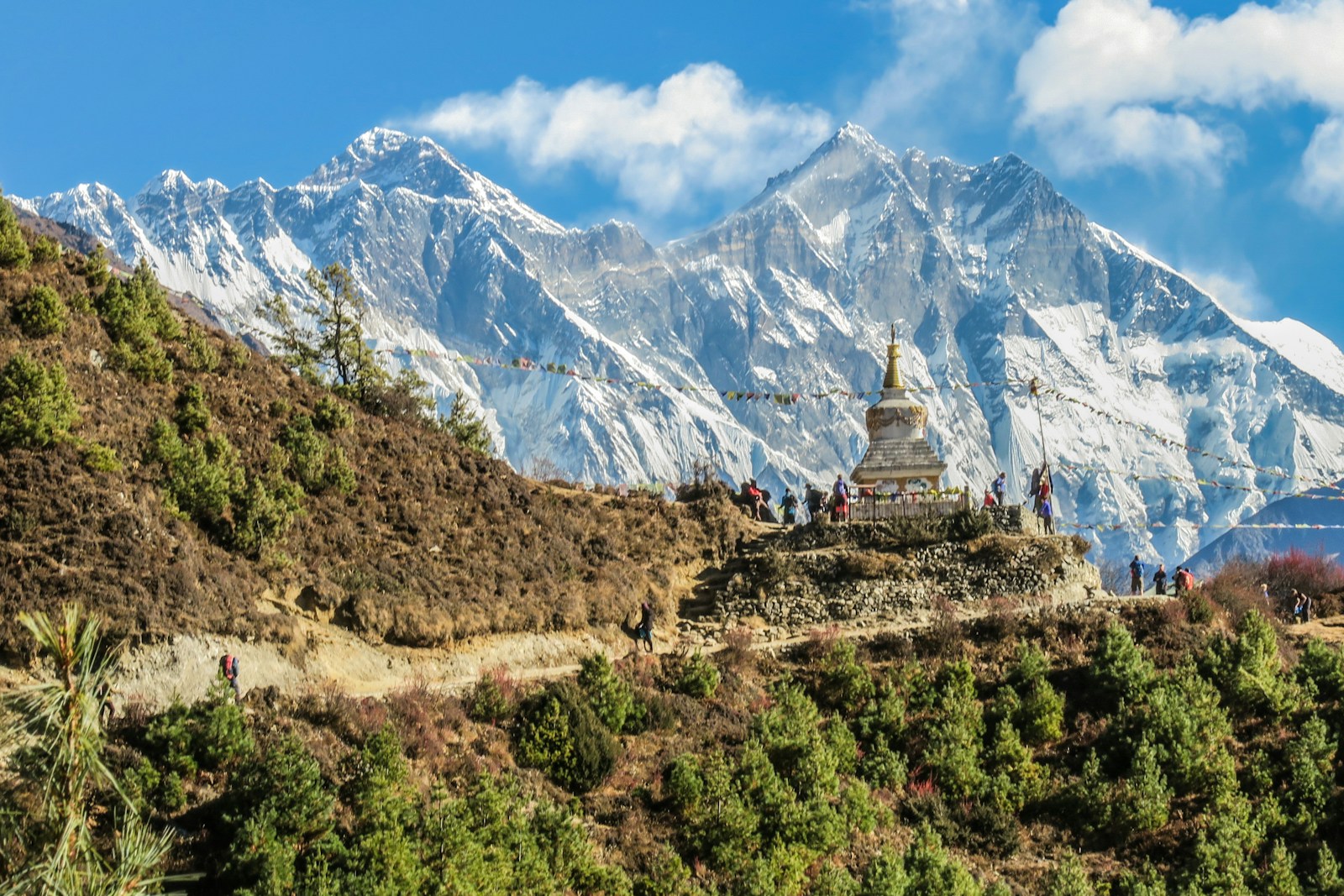
- Hill viewpoints — Spectacular Himalayan vistas without the crowds
Cultural Experiences
- Experience Doteli culture — distinct language, traditions, and customs
- Stay in local homestays rarely visited by tourists
- Sample regional cuisine influenced by both hill and plains traditions
- Witness traditional festivals preserved in their authentic forms
Why Doti Palace Matters
In a country where tourism is heavily concentrated in a few regions — Kathmandu Valley, Pokhara, Everest, Annapurna — Doti Palace represents something profoundly important: a recognition that Nepal’s heritage is diverse, geographically dispersed, and multi-dimensional.
The Doti Kingdom’s story challenges the narrative that Nepal’s history is synonymous with Kathmandu’s history. It reminds us that before unification, this land was home to dozens of kingdoms, each with its own culture, architecture, traditions, and stories. The Raikas of Doti were not minor chieftains; they were sophisticated rulers of a powerful state that lasted longer than most European monarchies.
Preserving Doti Palace isn’t just about protecting old buildings. It’s about honoring the complete narrative of Nepal — including the chapters written in the far west, far from the tourist spotlight.
Practical Tips for Visiting
What to Bring
- Comfortable walking shoes (the site involves uneven terrain)
- Sun protection (hat, sunscreen, sunglasses)
- Water and snacks (limited facilities nearby)
- Camera (but ask before photographing people)
- Nepali phrasebook or translation app (English is less common here)
- Cash (ATMs may be limited; plan accordingly)
Where to Stay
Dipayal Silgadhi offers basic hotels and guesthouses catering to domestic travelers and government officials. Don’t expect luxury, but you’ll find clean, affordable accommodation with welcoming hosts. Consider staying with local families through homestay programs for a more authentic experience.
Language
While Nepali is widely spoken, the local Doteli language (also called Dothali) is still prevalent, especially among older residents. Learning a few Doteli phrases will endear you to locals and provide deeper insights into the region’s distinct cultural identity.
Responsible Tourism
- Respect the site: Don’t climb on fragile structures or remove anything
- Support local businesses: Stay in local guesthouses, eat at local restaurants
- Hire local guides: They provide context you won’t find in guidebooks
- Leave no trace: Pack out all waste
- Photography ethics: Always ask permission before photographing people
- Contribute to preservation: If possible, donate to restoration efforts
The Future of Doti Palace
As restoration work continues and word spreads about this remarkable site, Doti Palace stands at a crossroads. Will it become another overcrowded tourist attraction, or can it develop into a sustainable heritage destination that benefits local communities while preserving its authenticity?
The answer depends on how we — travelers, historians, preservationists, and the Nepali government — approach this treasure. Done right, Doti Palace could become a model for heritage tourism in remote regions: economically beneficial for local communities, educational for visitors, and protective of the site’s integrity.
What’s certain is that Doti Palace deserves recognition. It deserves protection. And it deserves visitors who come not to consume but to understand, appreciate, and support the preservation of this irreplaceable piece of Nepal’s medieval past.
Ready to Discover Nepal’s Hidden Heritage?
Visiting Doti Palace isn’t a casual day trip from Kathmandu. It requires commitment, time, and a genuine interest in Nepal’s lesser-known stories. But for travelers who venture this far west, the rewards are immense: a connection to authentic Nepali culture, landscapes unmarred by mass tourism, and the profound satisfaction of discovering something truly special.
At VisitMeet, we specialize in connecting adventurous travelers with local experts who can make seemingly impossible journeys possible. Whether you’re planning an extended far western Nepal exploration or want to combine Doti Palace with trekking in the region, our community of local hosts and guides can help you navigate logistics, provide cultural context, and ensure your journey is both meaningful and responsible.
The Raikas of Doti ruled for over 500 years. Their palace, against all odds, still stands. The question is: will you be among the few who witness its resurrection?
Contact us today to start planning your journey to Nepal’s forgotten kingdom. The history books may have overlooked Doti, but you don’t have to.
References and Further Reading
This article was researched using multiple sources including:
- Doti Palace – Wikipedia
- Doti Kingdom – Wikipedia
- Historic palaces in Doti lie in dilapidated condition – Kathmandu Post
- Doti District Sudurpaschim’s Enchantment – HOP Nepal
- Royal palaces and historical places of Nepal – Actual Adventure
All images in this article are sourced from Unsplash and are free to use under the Unsplash License. Planning your journey to Doti Palace and far western Nepal? Get in touch — we’ll connect you with knowledgeable local guides who can bring this region’s history to life.
Ready to Explore Nepal?
Connect with local guides and travelers on VisitMeet. Plan your perfect Himalayan adventure with authentic experiences and expert advice.
Sign Up on VisitMeet
Leave a Reply