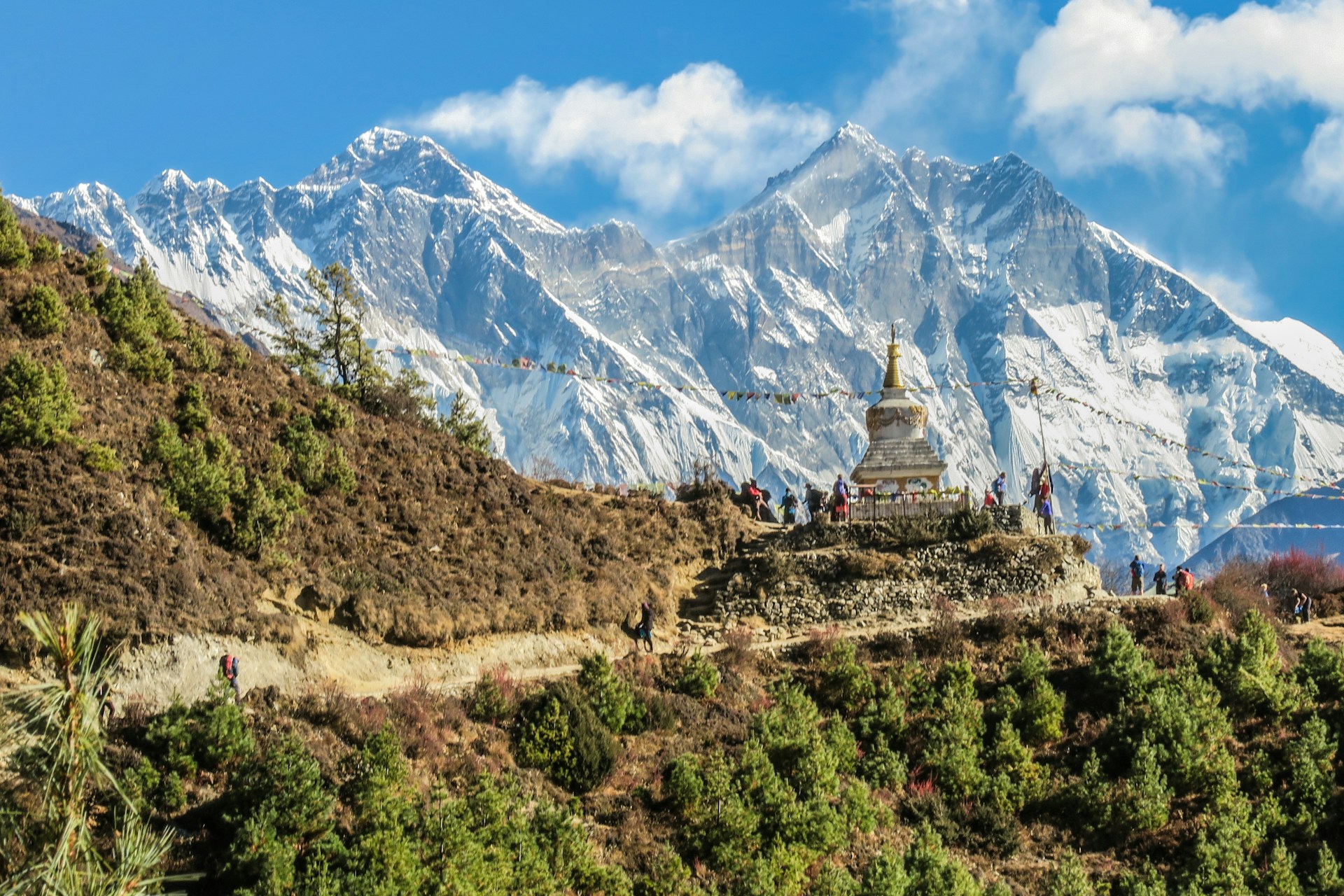
In the far reaches of western Nepal, where the Himalayas stretch toward the Indian border and few travelers ever venture, stands one of the most pristine and untouched mountain regions on Earth — Api Himal. This is not just another trek. This is the last frontier of Himalayan exploration, a place where silence is profound, the landscape is raw, and the experience is utterly transformative.
Why Api Himal Deserves Your Attention
While thousands of trekkers flock to Everest Base Camp and the Annapurna Circuit each year, Api Himal remains virtually unknown. The region sees fewer than 100 trekkers annually. This isn’t due to lack of beauty — far from it. Api Himal’s remoteness, strict permit requirements, and challenging logistics have kept it off the mainstream radar. For adventurous souls seeking true wilderness and authentic cultural encounters, this is exactly what makes it extraordinary.
At 7,132 meters (23,399 feet), Api Himal is the highest peak in the Gurans Himal range. First summited by a Japanese expedition in 1960, it was officially opened to mountaineering only in 2002. The surrounding region encompasses dramatic elevation changes, pristine alpine forests, ancient glaciers, and communities that have lived in harmony with these mountains for millennia.
The Trek: Api Nampa Circuit
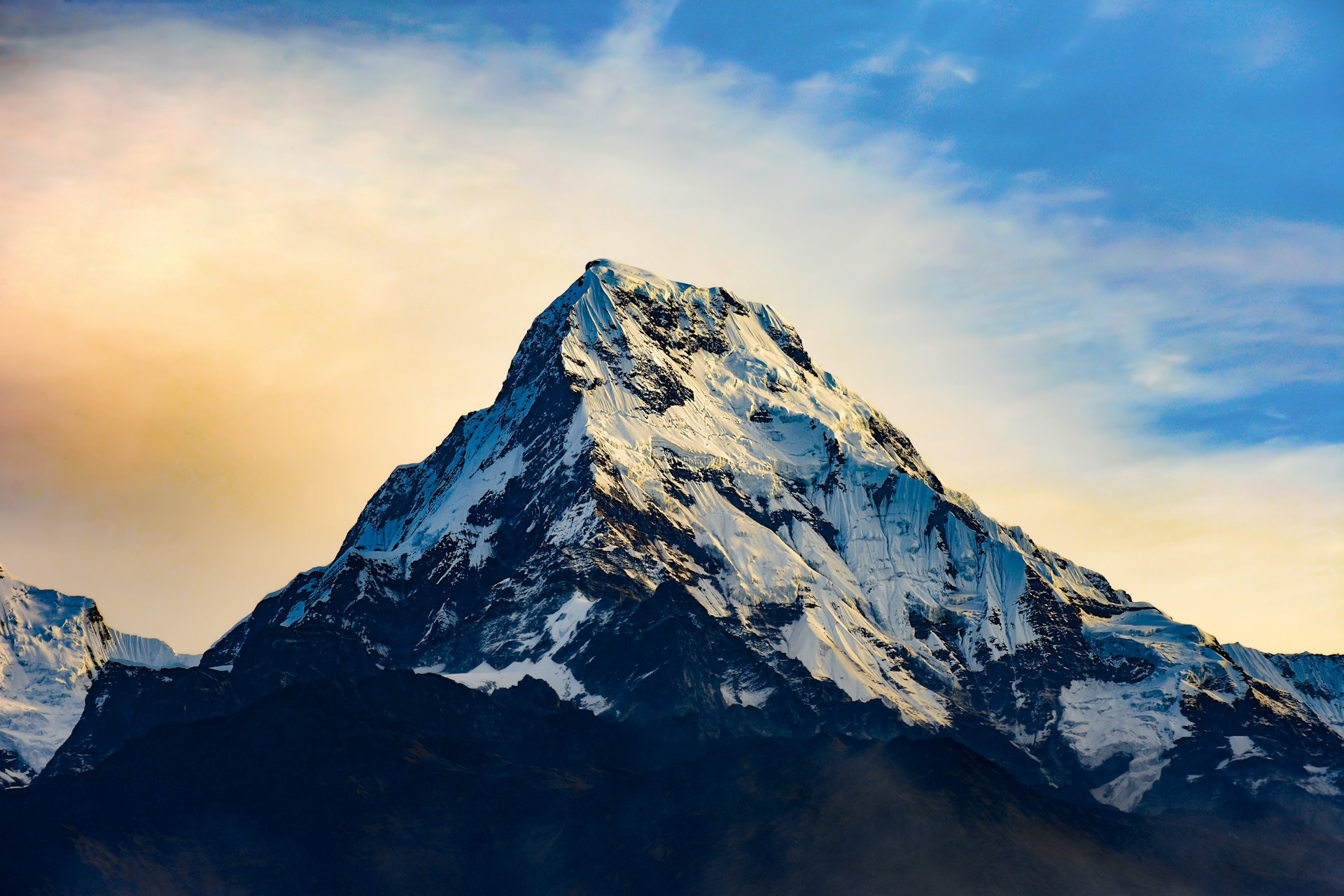
The most popular route in this region is the Api Nampa Circuit (also called Api Base Camp Trek), a challenging 18-25 day journey through one of Nepal’s most restricted and protected areas. Unlike the well-trodden paths of popular trekking circuits, this route requires serious commitment, physical fitness, and a genuine sense of adventure.
Route Overview
The trek typically begins from Dharchula on the Nepal-India border or from Baitadi in far-western Nepal. From there, you’ll pass through:
- Subtropical forests with rhododendron, oak, and pine
- Traditional villages of the Byasi and Shauka people
- High alpine meadows grazed by yaks and mountain goats
- Glacial valleys beneath towering ice walls
- Api Base Camp at approximately 4,200 meters with panoramic views of Api, Nampa, and surrounding peaks
The highest point of the trek reaches around 5,000 meters, crossing high passes that offer breathtaking views of the Api-Nampa massif, the Kailash range visible to the north in Tibet, and endless waves of Himalayan peaks stretching to the horizon.
The People and Culture
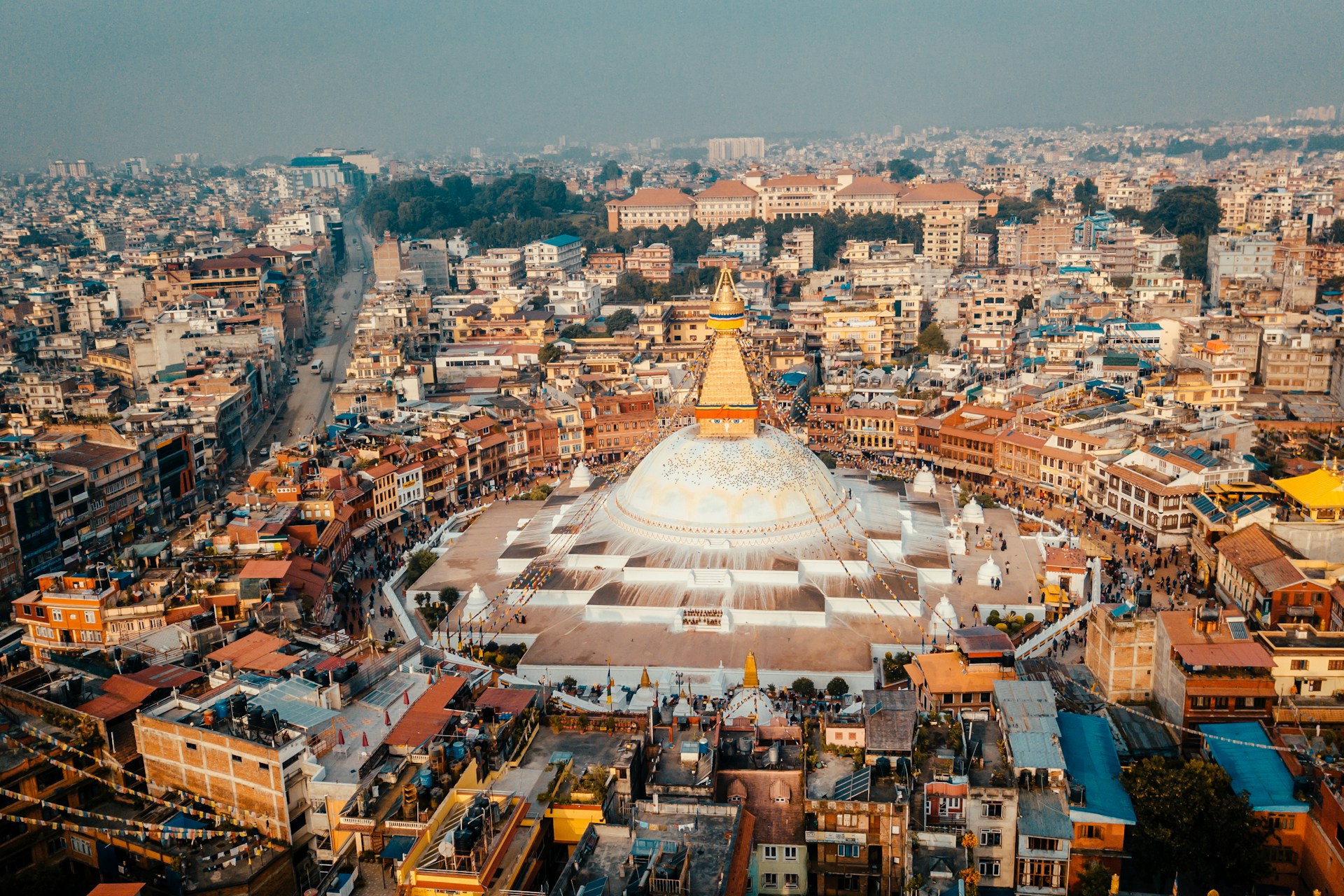
One of the most rewarding aspects of the Api Himal trek is the opportunity to experience cultures largely untouched by modern tourism. The region is home to the Byasi and Shauka communities, whose lives revolve around agriculture, animal husbandry, and trans-Himalayan trade that has existed for centuries.
The Shauka people, in particular, are semi-nomadic, moving between winter villages in Nepal and summer pastures at higher elevations. Their language, customs, and Buddhist-Hindu syncretic traditions offer fascinating insights into life at the edge of the Himalayas. Many families still practice ancient trade routes to Tibet, carrying goods on yak caravans as their ancestors did.
Unlike the commercialized teahouse culture of popular trekking routes, hospitality here is genuine and personal. You’ll stay in simple lodges or homestays, sharing meals with families, learning about their way of life, and experiencing a level of warmth that can only come from people who rarely see outsiders.
Wildlife and Natural Beauty
The Api Nampa Conservation Area protects an extraordinary range of biodiversity. The forests shelter endangered species including:
- Snow leopard — the elusive “ghost of the mountains”
- Red panda — found in temperate bamboo forests
- Himalayan black bear
- Musk deer
- Himalayan tahr
- Over 200 species of birds, including Himalayan monal pheasant
The flora is equally impressive. Spring trekkers (April-May) will witness rhododendron forests bursting into color — crimson, white, and pink blossoms covering entire hillsides. Higher up, alpine wildflowers create carpets of color against stark rocky landscapes.

What You Need to Know Before You Go
Best Time to Visit
The ideal trekking windows are:
- April to May (Spring): Clear skies, blooming rhododendrons, moderate temperatures. Daytime temperatures range from 10-20°C at lower elevations, dropping to -5°C at high camps.
- September to October (Autumn): Crystal-clear mountain views, stable weather, harvest season in villages. Slightly colder than spring, especially at night.
Avoid the monsoon season (June-August) due to leeches, landslides, and obscured views. Winter (November-March) brings extreme cold and heavy snowfall, making high passes impassable.
Permits and Regulations
Api Nampa is a restricted area, meaning you cannot trek independently. Requirements include:
- Special Trekking Permit (approximately $500 USD for first 7 days, then $50/day)
- Api Nampa Conservation Area Permit (NPR 3,000 / ~$30 USD)
- Licensed trekking guide — mandatory, cannot trek solo
- Minimum group size — typically 2 trekkers required
- Registered trekking agency — permits can only be obtained through licensed agencies
Permits are processed in Kathmandu through the Nepal Tourism Board and typically take 1-2 weeks to secure. Work with a reputable agency that specializes in far-western Nepal treks.
Getting There
International Travel:
- Fly to Tribhuvan International Airport in Kathmandu
- Spend 1-2 days in Kathmandu for permits and acclimatization
Domestic Travel:
- Option 1 (Air): Fly Kathmandu → Dhangadhi or Mahendranagar, then 6-8 hour drive to Dharchula or Baitadi
- Option 2 (Road): 14-16 hour drive from Kathmandu to Dharchula (long but scenic)
From the trailhead, the trek begins on foot. There are no roads beyond the starting villages — you’re truly entering the wilderness.
Estimated Cost
A fully organized Api Nampa Circuit trek costs approximately $2,500 – $3,500 USD per person, including:
- All permits and paperwork
- Licensed guide and porters
- Accommodation (teahouse/homestay)
- Meals during the trek
- Domestic flights or ground transport
- Insurance and emergency evacuation arrangements
This is significantly higher than mainstream treks due to permit costs, remoteness, and logistical challenges. However, the exclusivity and pristine experience justify the investment for serious trekkers.

What to Pack
This is a high-altitude, remote trek requiring proper preparation. Essential items include:
Clothing
- Moisture-wicking base layers
- Insulated down jacket (rated to -10°C minimum)
- Waterproof shell jacket and pants
- Warm fleece or wool layers
- Trekking pants and shorts
- Thermal underwear for high altitude
- Warm hat, sun hat, and buff/neck warmer
- Gloves (liner gloves + insulated mittens)
Gear
- Sturdy trekking boots (waterproof, well broken-in)
- Camp shoes or sandals
- Sleeping bag rated to -15°C
- Trekking poles (essential for stability)
- Headlamp with extra batteries
- Sunglasses with UV protection
- Water bottles or hydration system (3L capacity total)
- Water purification tablets or filter
Medical & Safety
- Comprehensive first aid kit
- Altitude sickness medication (Diamox)
- Personal medications
- Sunscreen (SPF 50+) and lip balm
- Blister treatment supplies
- Hand sanitizer and wet wipes
- Emergency whistle
Optional but Recommended
- Camera with extra batteries (cold drains batteries fast)
- Solar charger or power bank
- Binoculars for wildlife spotting
- Notebook or journal
- Playing cards for lodge downtime
- Small gifts for local families (photos, postcards from home, school supplies)
Physical Requirements and Preparation
This trek is strenuous and suitable only for trekkers with previous high-altitude experience. You should be comfortable with:
- Walking 5-7 hours per day on rough, uneven terrain
- Ascending and descending 800-1,200 meters daily
- Sleeping at altitudes above 3,000 meters
- Basic camping conditions (limited facilities)
- Remote locations with no emergency evacuation guarantees
Recommended preparation (3-6 months before):
- Cardiovascular training: running, cycling, swimming (3-4x per week)
- Hiking with weighted backpack on inclines
- Leg strength training: squats, lunges, step-ups
- Consider a shorter high-altitude trek first (e.g., Langtang, Gokyo)
Responsible Trekking
Api Nampa’s pristine condition depends on responsible tourism. Please commit to:
- Leave No Trace: Pack out all waste, including toilet paper
- Respect Wildlife: Observe from distance, never feed animals
- Cultural Sensitivity: Ask permission before photographing people, dress modestly, respect religious sites
- Support Local Economy: Purchase handicrafts from villages, tip guides and porters fairly
- Minimize Plastic: Use refillable water bottles, avoid single-use plastics
- Stay on Trail: Prevent erosion by following established paths
Why Choose Api Himal Over Other Treks?
If you’ve trekked Everest, Annapurna, or Langtang and are seeking what comes next, Api Himal represents the ultimate Himalayan experience:
- True Solitude: You may not see another trekking group for days
- Authentic Culture: Communities unchanged by mass tourism
- Pristine Wilderness: Forests, glaciers, and mountains in their natural state
- Exclusive Experience: Join the tiny percentage who’ve explored this region
- Pioneer Spirit: Feel like an explorer, not a tourist
This isn’t a trek for Instagram likes or casual adventure seekers. This is for those who want to push boundaries, step far outside comfort zones, and discover what it truly means to journey into the unknown.
Ready to Trek Api Himal?
Planning a trek to Api Himal requires working with experienced guides who know the region intimately. At VisitMeet, we connect adventurous travelers with local experts who can make your Api Nampa Circuit dream a reality.
Whether you need help securing permits, finding the right guide, or planning logistics, our community of local hosts in western Nepal is ready to help. This isn’t mass tourism — it’s authentic, personalized adventure travel built on genuine connections.
Get in touch today and start planning your journey to Nepal’s last frontier. The mountains are calling — will you answer?
All images in this article are sourced from Unsplash and are free to use under the Unsplash License. Planning your Api Himal adventure? Contact us — we’ll connect you with experienced local guides who know this region better than anyone.
Ready to Explore Nepal?
Connect with local guides and travelers on VisitMeet. Plan your perfect Himalayan adventure with authentic experiences and expert advice.
Sign Up on VisitMeet
Leave a Reply