
This is Part 1 of our 3-part Everest Base Camp Trek series for US travelers. Part 1: Planning Your Trek | Part 2: Day-by-Day Journey | Part 3: Essential Tips & Packing Guide
Everest Base Camp: The Trek of a Lifetime
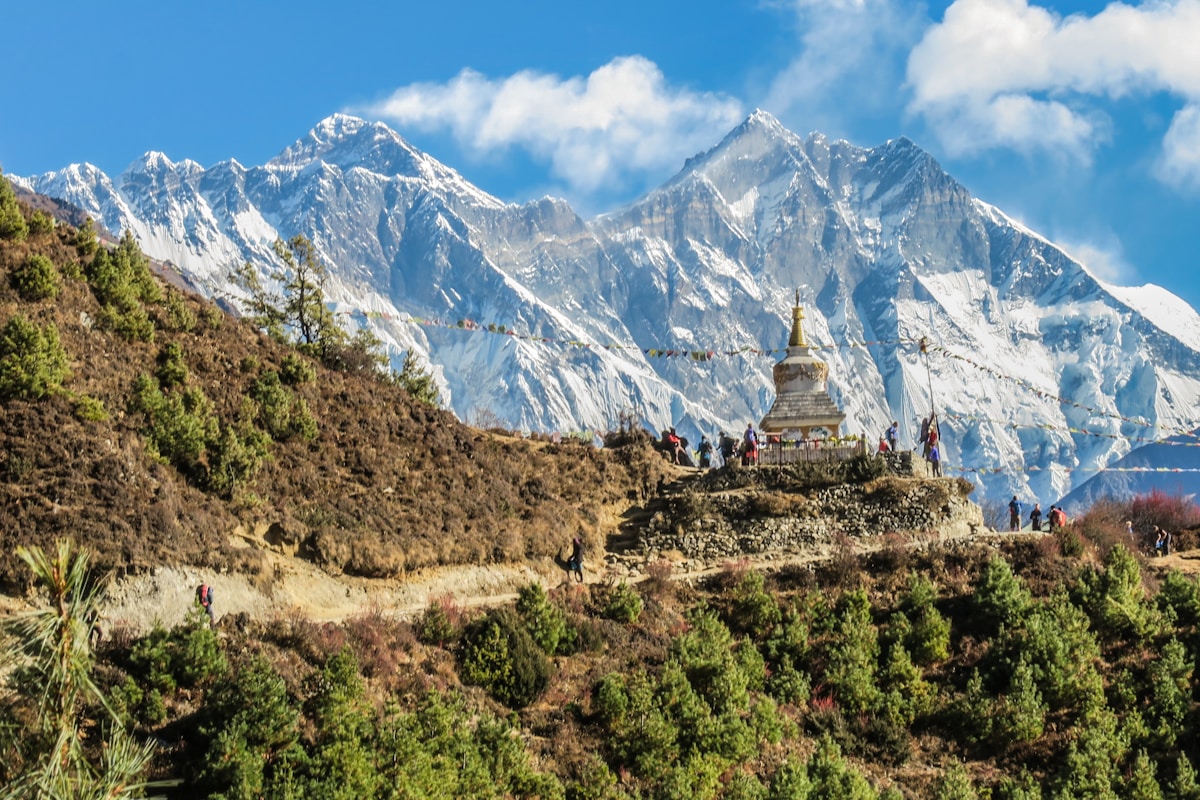
Standing at the base of Mount Everest (29,032 feet / 8,849 meters), the world’s highest mountain, is a dream shared by adventurers worldwide. The Everest Base Camp (EBC) trek is one of the most iconic journeys on Earth, offering spectacular Himalayan scenery, rich Sherpa culture, and the achievement of reaching 17,600 feet without technical climbing skills.
This comprehensive 3-part series will guide US travelers through everything you need to know about trekking to Everest Base Camp. In Part 1, we’ll cover all the essential planning information to help you prepare for this incredible adventure.
Why Trek to Everest Base Camp?

- ✅ No technical climbing required – This is a trekking route, not a mountaineering expedition
- ✅ Achievable for fit individuals – With proper preparation, most healthy people can complete this trek
- ✅ Stunning mountain scenery – Close-up views of Everest, Lhotse, Nuptse, Ama Dablam, and dozens of other peaks
- ✅ Rich Sherpa culture – Visit ancient Buddhist monasteries and traditional mountain villages
- ✅ Personal achievement – Join the ranks of those who’ve stood at the base of the world’s highest mountain
- ✅ Life-changing experience – The trek often becomes a transformative journey for trekkers
Trek Overview & Quick Facts
| Trek Duration | 12-14 days (round trip from Lukla) |
| Maximum Altitude | 17,600 ft (5,364m) at Everest Base Camp 18,192 ft (5,545m) at Kala Patthar viewpoint |
| Total Distance | 80 miles / 130 km (round trip) |
| Difficulty Level | Moderate to Challenging |
| Best Seasons | Spring (Mar-May) & Autumn (Sep-Nov) |
| Accommodation | Teahouses (local guesthouses) |
| Starting Point | Lukla (fly from Kathmandu) |
| Ending Point | Lukla (fly back to Kathmandu) |
| Daily Trekking | 5-7 hours per day |
| Guide Required? | Mandatory (as of recent regulations) |
When to Go: Best Time for EBC Trek

🌸 Spring Season (March – May)
Best for: Warm weather, rhododendron blooms, Everest summit season
- Weather: Clear skies, warming temperatures (but still cold at altitude)
- Temperature: Lukla 50-60°F (10-15°C), EBC 20-30°F (-6 to -1°C) daytime
- Pros: Rhododendron forests in bloom, watch Everest climbers attempting summit, longer days
- Cons: Peak season crowds (especially April-May), higher prices, dusty trails
- Visibility: Excellent in March, slightly hazier in April-May
🍂 Autumn Season (September – November)
Best for: Crystal-clear views, stable weather, festivals
- Weather: Most stable weather of the year, minimal precipitation
- Temperature: Similar to spring but gradually cooling through season
- Pros: Best mountain views, stable weather, Dashain & Tihar festivals, comfortable temperatures
- Cons: Busiest season, fully booked teahouses, highest prices
- Visibility: Outstanding – the clearest views of the year
❄️ Winter Season (December – February)
- Pros: Fewer trekkers, lower prices, crystal-clear skies
- Cons: Very cold (especially at night), some teahouses closed, shorter days, heavy snow possible
- Best for: Experienced trekkers seeking solitude who can handle extreme cold
🌧️ Monsoon Season (June – August)
- Pros: Green landscapes, wildflowers, very few trekkers, lowest prices
- Cons: Heavy rain, clouded mountain views, leeches at lower elevations, flight delays/cancellations, landslide risk
- Best for: Budget travelers who don’t mind rain and limited views
💡 Our Recommendation: Late September to mid-November for best weather and views, or March-April for warmer conditions and blooming flowers.
How Difficult is the EBC Trek?
The Everest Base Camp trek is rated moderate to challenging. Here’s what that means:
Physical Demands
- Daily walking: 5-7 hours per day on varied terrain
- Elevation gain: Cumulative 12,000+ feet of ascent
- Terrain: Rocky trails, suspension bridges, steep ascents/descents
- Altitude: Up to 18,192 ft (5,545m) at Kala Patthar
- Fitness level needed: Good cardiovascular fitness and leg strength
Main Challenges
- Altitude: The biggest challenge – thin air makes everything harder
- Duration: 12-14 consecutive days of walking
- Cold: Temperatures below freezing at higher elevations
- Basic facilities: Simple teahouses, cold showers (or none), squat toilets
- Mental stamina: Pushing through when tired and cold
Who Can Do This Trek?
You CAN do this trek if you:
- ✅ Are in good health with no serious medical conditions
- ✅ Can hike 5-7 hours per day carrying a light daypack
- ✅ Train for 2-3 months before the trek
- ✅ Are mentally prepared for basic conditions
- ✅ Can handle cold weather
- ✅ Are flexible and patient with delays/changes
Age range: Successful trekkers range from teenagers to people in their 70s. Fitness matters more than age!
Required Permits & Documents

You’ll need three permits/cards for the EBC trek:
1. Sagarmatha National Park Entry Permit
- Cost: NPR 3,000 (approximately $23 USD)
- Purpose: Entry to Sagarmatha (Everest) National Park
- Where to get: Nepal Tourism Board office in Kathmandu OR at Monjo checkpoint on the trail
- Required: Passport, passport photo
2. Khumbu Pasang Lhamu Rural Municipality Permit
- Cost: NPR 2,000 (approximately $15 USD)
- Purpose: Local area entry permit
- Where to get: At Lukla or Monjo checkpoint
- Required: Passport, passport photo
3. TIMS Card (Trekkers’ Information Management System)
- Cost: NPR 2,000 (approximately $15 USD)
- Purpose: Trekker registration and safety tracking
- Where to get: Nepal Tourism Board or trekking agencies in Kathmandu
- Required: Passport, passport photo, travel insurance details
Total Permit Cost: Approximately $53 USD
💡 Pro Tip: Most trekking agencies will obtain all permits for you as part of their package. This saves time and hassle!
Cost Breakdown: How Much Does EBC Trek Cost?
The total cost varies greatly depending on whether you trek independently or with a guided group. Here’s a realistic breakdown for US travelers:
Budget Breakdown (per person)
| Expense | Budget Option | Mid-Range Option | Comfort Option |
|---|---|---|---|
| Guided Trek Package | $800-1,200 | $1,500-2,000 | $2,500-4,000 |
| Kathmandu-Lukla Flights | $350 (round trip) | $350 (round trip) | $600 (helicopter) |
| Permits | $53 | $53 | $53 |
| Accommodation (teahouse) | $5-10/night | Included in package | Included in package |
| Food (3 meals/day) | $20-25/day | Included in package | Included in package |
| Guide | $25-30/day | Included in package | Included in package |
| Porter | $20-25/day (optional) | Included in package | Included in package |
| Travel Insurance | $100-200 | $100-200 | $100-200 |
| Gear Rental | $100-200 | $50-100 | Included |
| Tips | $100-150 | $150-250 | $250-400 |
Total Estimated Cost:
- Budget Independent Trek: $1,500 – $2,000
- Mid-Range Guided Trek: $2,500 – $3,500
- Comfort Guided Trek: $4,000 – $6,000
*Does not include international flights to/from Nepal or expenses in Kathmandu
Additional Costs to Consider
- Hot showers: $3-5 each
- WiFi: $2-5 per day/location
- Battery charging: $2-5 per device
- Drinks & snacks: $30-50 total
- Emergency evacuation insurance: Included in travel insurance
Do You Need a Guide?
As of 2023, solo trekking is no longer allowed in Nepal. You must hire either a licensed guide or join a guided group trek.
Benefits of Having a Guide:
- ✅ Required by law – Mandatory for all trekkers
- ✅ Safety: Guides recognize altitude sickness symptoms and know evacuation procedures
- ✅ Navigation: Know the best routes, shortcuts, and safe paths
- ✅ Cultural insights: Explain local customs, traditions, and Buddhist practices
- ✅ Language: Communicate with teahouse owners and locals
- ✅ Logistics: Handle permits, accommodations, and problem-solving
- ✅ Support local economy: Directly employ local Sherpas
Hiring Through VisitMeet
Connect with experienced, licensed Sherpa guides on VisitMeet before your trip. Our platform helps you:
- Find reputable guides with verified reviews
- Communicate directly about your trek preferences
- Customize your itinerary
- Build a relationship before you arrive
- Support local communities directly
Physical Preparation: Training for EBC

Proper physical preparation is crucial for an enjoyable and successful EBC trek. Start training 2-3 months before your departure.
Recommended Training Program
Cardiovascular Endurance (4-5 times per week)
- Hiking: 3-6 hours with elevation gain, wearing your trekking boots
- Running: 30-60 minutes at moderate pace
- Cycling: 1-2 hours on hilly terrain
- Stair climbing: 30-45 minutes with weighted backpack
- Swimming: 45-60 minutes for low-impact cardio
Strength Training (2-3 times per week)
- Legs: Squats, lunges, step-ups, calf raises
- Core: Planks, Russian twists, mountain climbers
- Upper body: Light weights for carrying daypack
Practice Hikes
- Build up to 6-8 hour hikes with 2,000+ ft elevation gain
- Carry a 10-15 lb backpack
- Practice on varied terrain (rocky, steep, uneven)
- Hike on consecutive days to simulate multi-day trekking
Can’t Train at Altitude?
Most US trekkers don’t live at altitude – that’s okay! Focus on:
- Building excellent cardiovascular fitness at sea level
- Strong legs for climbing and descending
- Mental preparation for the challenge
- Proper acclimatization schedule on the trek itself
Flights: Getting to Lukla
The adventure truly begins with the flight to Lukla, often called “the world’s most dangerous airport.”
Kathmandu to Lukla Flight
- Duration: 30-40 minutes
- Cost: $175-200 USD each way
- Frequency: Multiple flights daily (weather permitting)
- Aircraft: Small 15-18 seat propeller planes
- Airlines: Tara Air, Summit Air, Sita Air
Important Flight Information
- ⚠️ Weather delays are common: Lukla airport often closes due to clouds, wind, or poor visibility
- ⚠️ Buffer days: Always plan 2-3 extra days in your schedule for potential delays
- ⚠️ Luggage limit: 15 kg (33 lbs) checked + 5 kg (11 lbs) hand luggage
- ⚠️ Morning flights: More reliable due to calmer winds
- ⚠️ Peak season: Book well in advance (2-3 months)
Alternative: Helicopter Charter
- Cost: $300-500 per person (shared) or $3,000-4,000 (private)
- Benefits: More flexible timing, better weather capability, amazing views
- Best for: Tight schedules, nervous flyers, or return trip after completing trek
Accommodation: Teahouse Trekking
The EBC trek follows the teahouse route – you’ll stay in local guesthouses each night rather than camping.
What to Expect in Teahouses
- Rooms: Basic twin rooms with beds and blankets (bring sleeping bag)
- Bathrooms: Shared facilities, mostly Western toilets in main villages, squat toilets higher up
- Showers: Hot showers available for $3-5 (solar or gas heated), cold at higher elevations
- Heating: Communal dining room with wood/yak dung stove (your room will be cold!)
- Electricity: Limited and unreliable – bring power banks
- WiFi: Available for $2-5/day (slow and unreliable at altitude)
Comfort Level by Elevation
- Lower villages (Lukla-Namche): More comfortable, better facilities, hot showers
- Mid-trek (Tengboche-Dingboche): Good facilities, most have hot showers
- Higher elevations (Lobuche-Gorak Shep): Very basic, minimal heating, cold conditions
Travel Insurance: Essential Coverage
⚠️ DO NOT trek to EBC without comprehensive travel insurance covering high-altitude trekking and helicopter evacuation.
Required Coverage
- ✅ Medical emergency coverage: Minimum $100,000
- ✅ Emergency evacuation: Helicopter rescue from up to 20,000 ft
- ✅ High-altitude trekking: Coverage up to 6,000 meters (19,685 ft)
- ✅ Trip cancellation: Weather delays, flight cancellations
- ✅ Medical expenses: Hospital treatment in Nepal or evacuation to home country
Recommended Insurance Providers for US Travelers
- World Nomads: Popular with adventure travelers, covers trekking to 6,000m
- IMG Global: Comprehensive coverage including helicopter evacuation
- Global Rescue: Premium option specializing in evacuation services
- Travel Guard: Good coverage for adventure activities
Cost: $100-300 for 2-3 week coverage
💡 Pro Tip: Helicopter evacuation from EBC can cost $5,000-10,000. Your insurance must explicitly cover this!
Next Steps: Planning Your EBC Adventure
You now have the essential planning information for your Everest Base Camp trek! Here’s what to do next:
- 📅 Choose your trek dates (Spring or Autumn recommended)
- ✈️ Book international flights to Kathmandu
- 🏔️ Decide: guided group or hire private guide
- 🏃 Start training program (2-3 months before departure)
- 🛡️ Purchase travel insurance with high-altitude coverage
- 🎒 Begin gathering gear (see Part 3 for packing list)
- 🤝 Connect with guides on VisitMeet
Continue the Series
This is Part 1 of our Everest Base Camp Trek series. Continue reading:
- ✅ Part 1: Planning Your Trek (You are here)
- 📍 Part 2: Day-by-Day Journey to Base Camp – Detailed daily itinerary, what to expect each day
- 🎒 Part 3: Essential Tips & Packing Guide – Complete packing list, altitude sickness prevention, safety tips
Connect with Local Guides on VisitMeet
Ready to make your Everest Base Camp dream a reality? Connect with experienced Sherpa guides and porters on VisitMeet. Our platform helps you:
- Find licensed guides with verified experience
- Read reviews from other US trekkers
- Customize your trek itinerary
- Ask questions before you commit
- Support local Sherpa communities directly
- Build trust and friendship before your trek begins
Join VisitMeet today and start planning the trek of a lifetime with guides who know Everest like the back of their hand!
Have questions about planning your EBC trek? Drop them in the comments below and our community of trekkers and Sherpa guides will help!
Ready to Explore Nepal?
Connect with local guides and travelers on VisitMeet. Plan your perfect Himalayan adventure with authentic experiences and expert advice.
Sign Up on VisitMeet
Leave a Reply