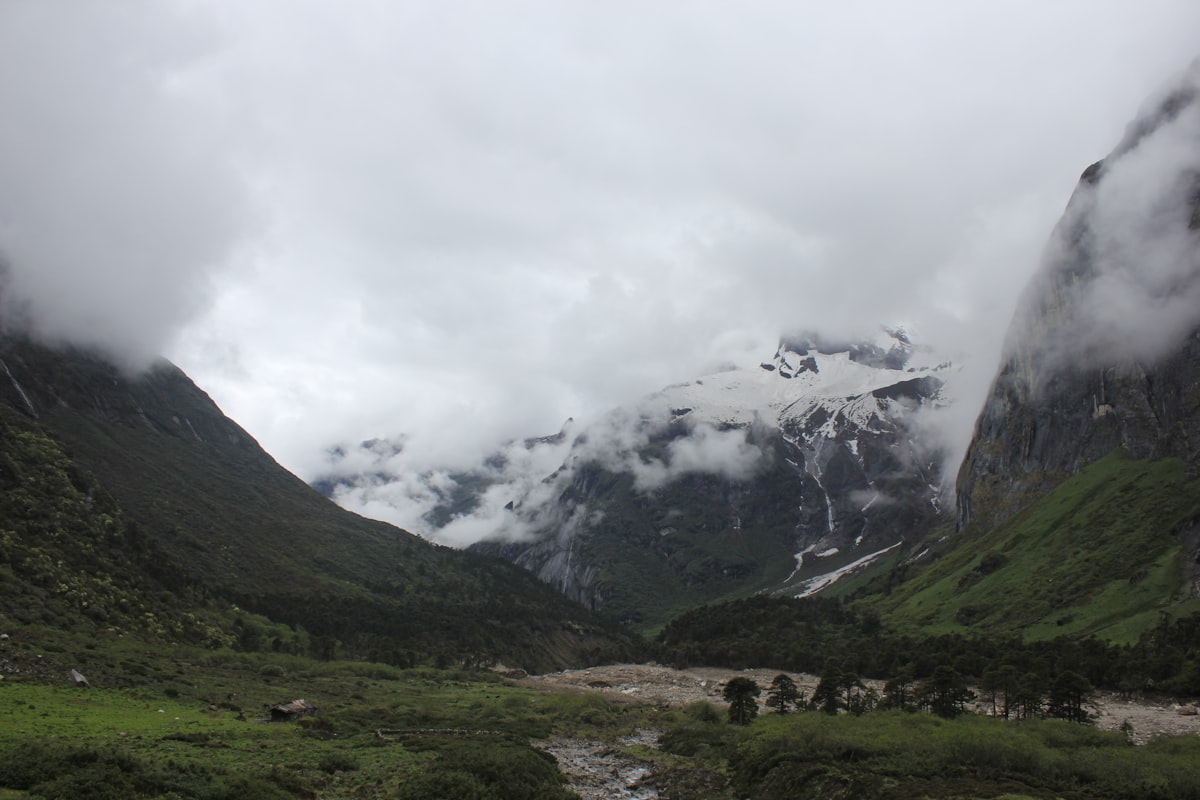
Tucked away in the remote eastern corner of Nepal, far from the crowded trails of Everest and Annapurna, lies one of the most pristine and awe-inspiring wilderness areas on the planet — Makalu Barun National Park. This is not a place for the casual tourist. It is a place for those who seek silence, raw beauty, and the kind of mountain experience that stays with you for a lifetime.
A Park Like No Other
Established in 1992 as the eastern extension of Sagarmatha National Park, Makalu Barun National Park and Buffer Zone covers an extraordinary 2,330 square kilometers. What makes it truly unique is its elevation range — from just 435 meters in the subtropical lowlands to the 8,463-meter summit of Mount Makalu, the world’s fifth highest peak. It is the only protected area on Earth with an elevation gain of over 8,000 meters, encompassing everything from tropical forests to permanent ice and snow.
Within this dramatic vertical span live some 3,100 species of flowering plants, including over 40 species of orchids and 25 varieties of rhododendron. The forests shelter rare and endangered wildlife — the elusive snow leopard, the adorable red panda, Himalayan tahr, musk deer, wild boar, and wild yak roam these valleys and ridges, largely undisturbed by human presence.
The Trek to Makalu Base Camp
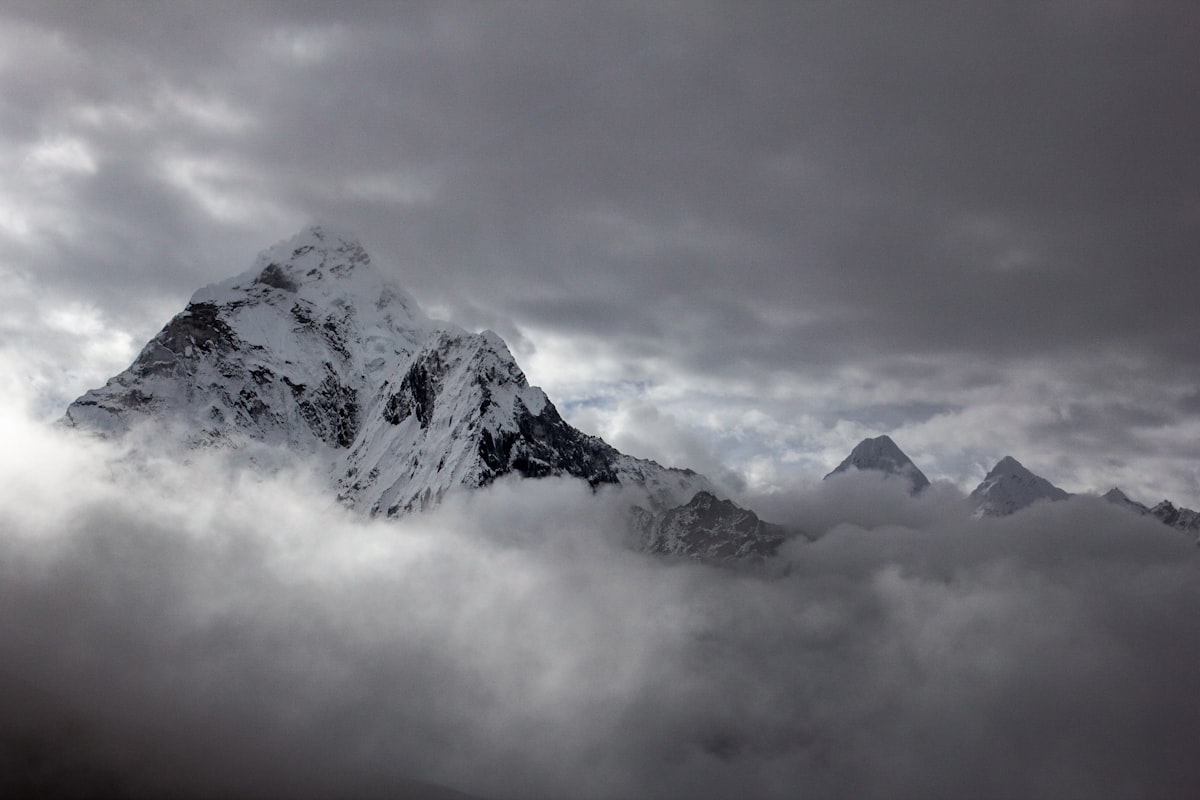
The journey to Makalu Base Camp is one of Nepal’s great forgotten treks. While thousands flock to Everest Base Camp and the Annapurna Circuit each year, the Makalu trail sees only a handful of trekkers, making it one of the most tranquil and authentic trekking experiences in the Himalayas.
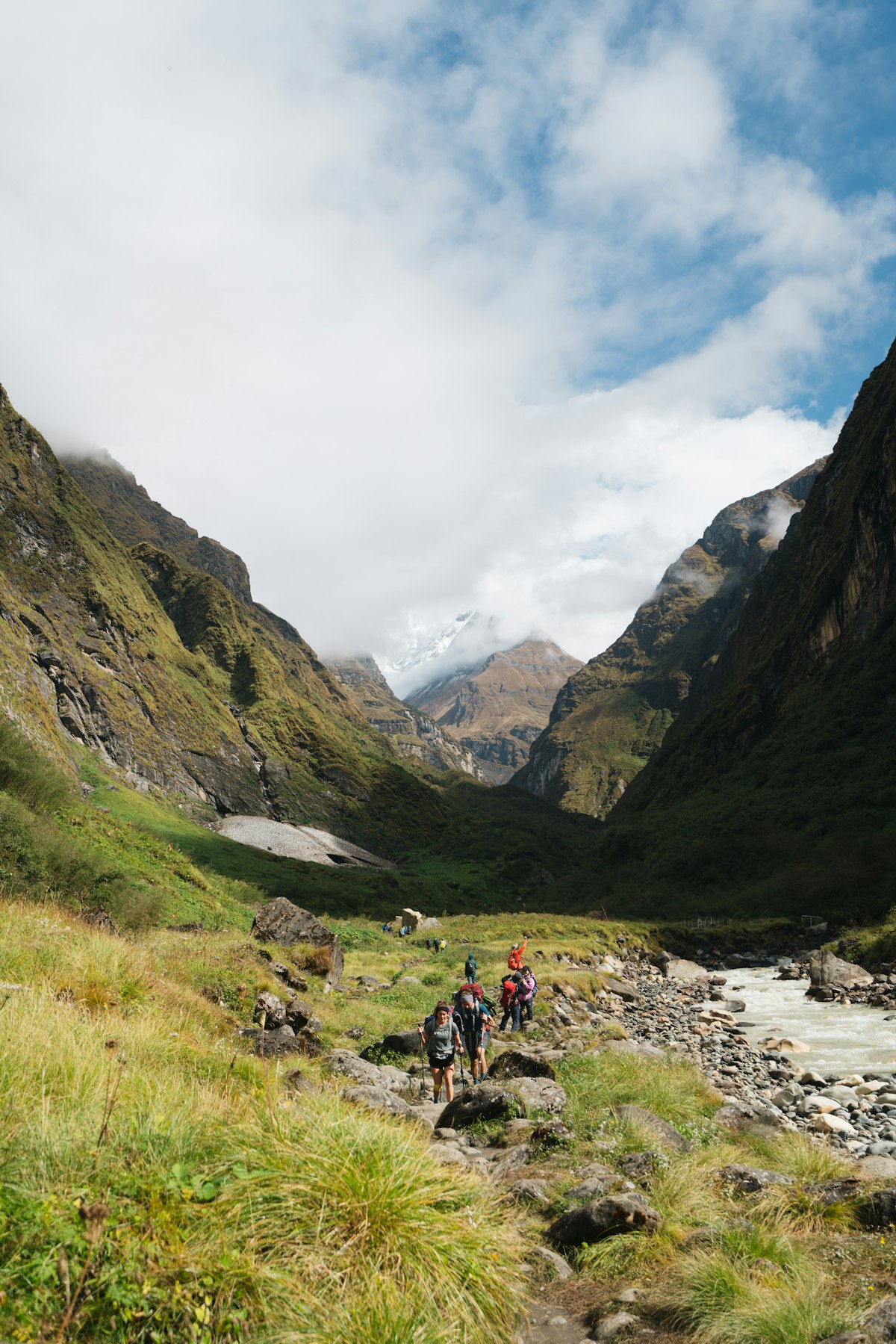
The trek typically takes 16 to 22 days, starting from Tumlingtar in mid-eastern Nepal. From there, a bumpy drive brings you to Chichila or Num, where the walking begins. The trail winds through terraced farmland, dense rhododendron forests bursting with color in spring, and remote Sherpa and Rai villages where life moves to the rhythm of the mountains.
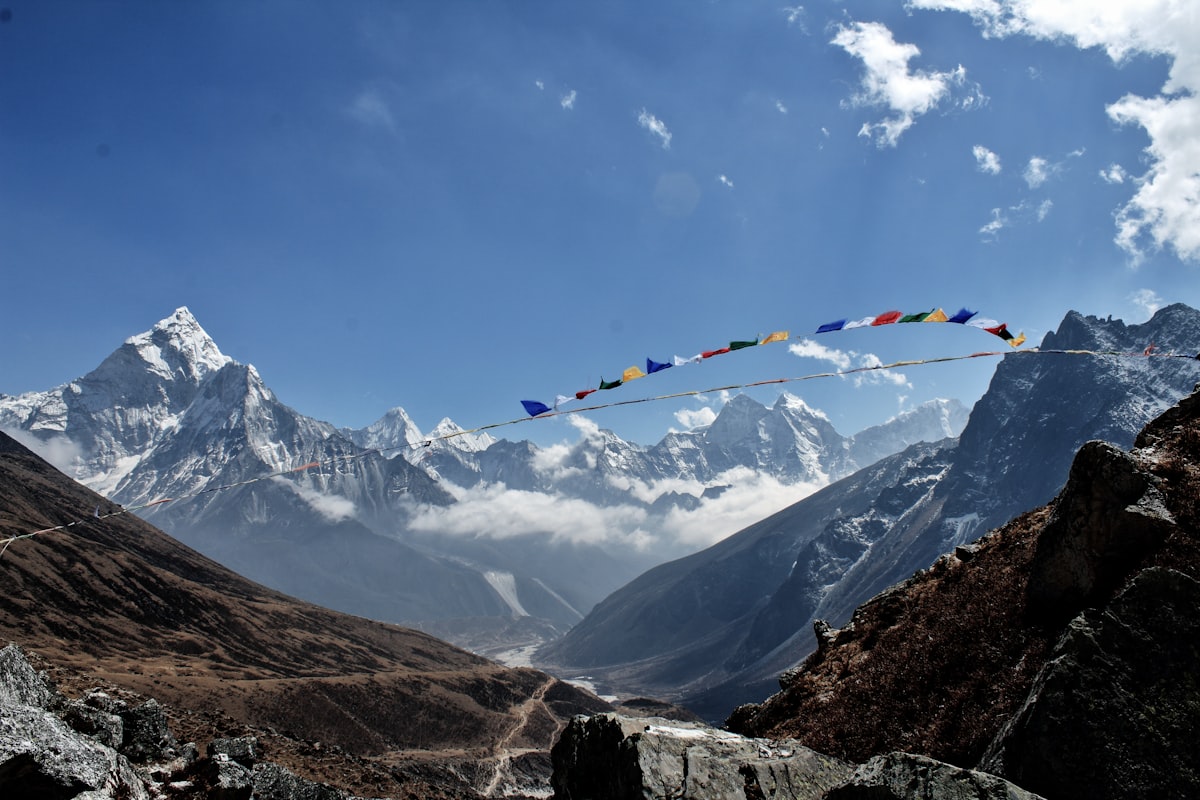
As you climb higher, the landscape transforms dramatically. Lush green valleys give way to alpine meadows, glacial moraines, and finally the stark, breathtaking beauty of Makalu Base Camp at 4,870 meters. Here, the massive south face of Makalu towers above you, flanked by the peaks of Everest, Lhotse, Chamalang (7,319m), Baruntse (7,129m), and Mera (6,654m). It is a panorama that rivals anything on Earth.
What You Need to Know Before You Go
Best Time to Visit
The ideal windows are October to mid-November (autumn) and March to May (spring). Autumn offers crystal-clear skies and stable weather, while spring brings the rhododendron forests to life with vibrant blooms of red, pink, and white. Avoid early March when heavy snowfall can block the high passes.
Permits and Requirements
You will need two permits: the Makalu Barun National Park Entry Permit (approximately NPR 3,000 / USD 30) and a TIMS (Trekkers Information Management System) card. Because this is a restricted and remote area, a licensed guide is mandatory — you cannot trek here independently.
Getting There
Daily flights connect Kathmandu and Biratnagar to Tumlingtar, the gateway town. Alternatively, you can drive from Kathmandu to Num Bazaar, though this adds a couple of extra days to your journey. From Tumlingtar, a 3-hour drive reaches Chichila, where the trek begins on foot.
Estimated Cost
A fully organized Makalu Base Camp trek costs approximately USD 1,850 per person, including permits, guide, porters, accommodation, and meals on the trail. This is considerably more affordable than many comparable treks, largely because the region has not yet been commercialized.
The People of Makalu Barun
One of the most rewarding aspects of this trek is the cultural immersion. The region is home to Sherpa, Rai, Gurung, and Ghale communities, particularly around the villages of Chechela and Num. These are people who have lived in harmony with the mountains for generations. Their warmth, hospitality, and resilience are humbling. Sharing a cup of butter tea in a village lodge while clouds drift through the valley below — these are the moments that define authentic travel.
For the Adventurous: The Makalu-Everest Traverse
For experienced mountaineers seeking the ultimate challenge, the Makalu to Everest traverse crosses three formidable high passes — Sherpani Col (6,135m), West Col (6,143m), and Amphu Laptsa (5,850m). This three-week expedition requires full mountaineering equipment, technical climbing skills, and a level of fitness that few possess. It is considered one of the most demanding trekking routes in the world — and one of the most rewarding.
Why Makalu Barun Deserves Your Attention
In a world where the most famous trails are becoming increasingly overcrowded, Makalu Barun stands as a reminder of what trekking in Nepal used to be. No teahouse menus in five languages. No Wi-Fi at every stop. No helicopter evacuations buzzing overhead every hour. Just you, the mountains, and the trail ahead.
If you are the kind of traveler who values solitude over selfies, who would rather hear the wind through a rhododendron forest than the chatter of a hundred other trekkers, then Makalu Barun is calling your name. Answer it.
All images in this article are sourced from Unsplash and are free to use under the Unsplash License. Planning your trip to Makalu Barun? Get in touch — we would love to help you connect with local guides and experiences.
Ready to Explore Nepal?
Connect with local guides and travelers on VisitMeet. Plan your perfect Himalayan adventure with authentic experiences and expert advice.
Sign Up on VisitMeet
Leave a Reply