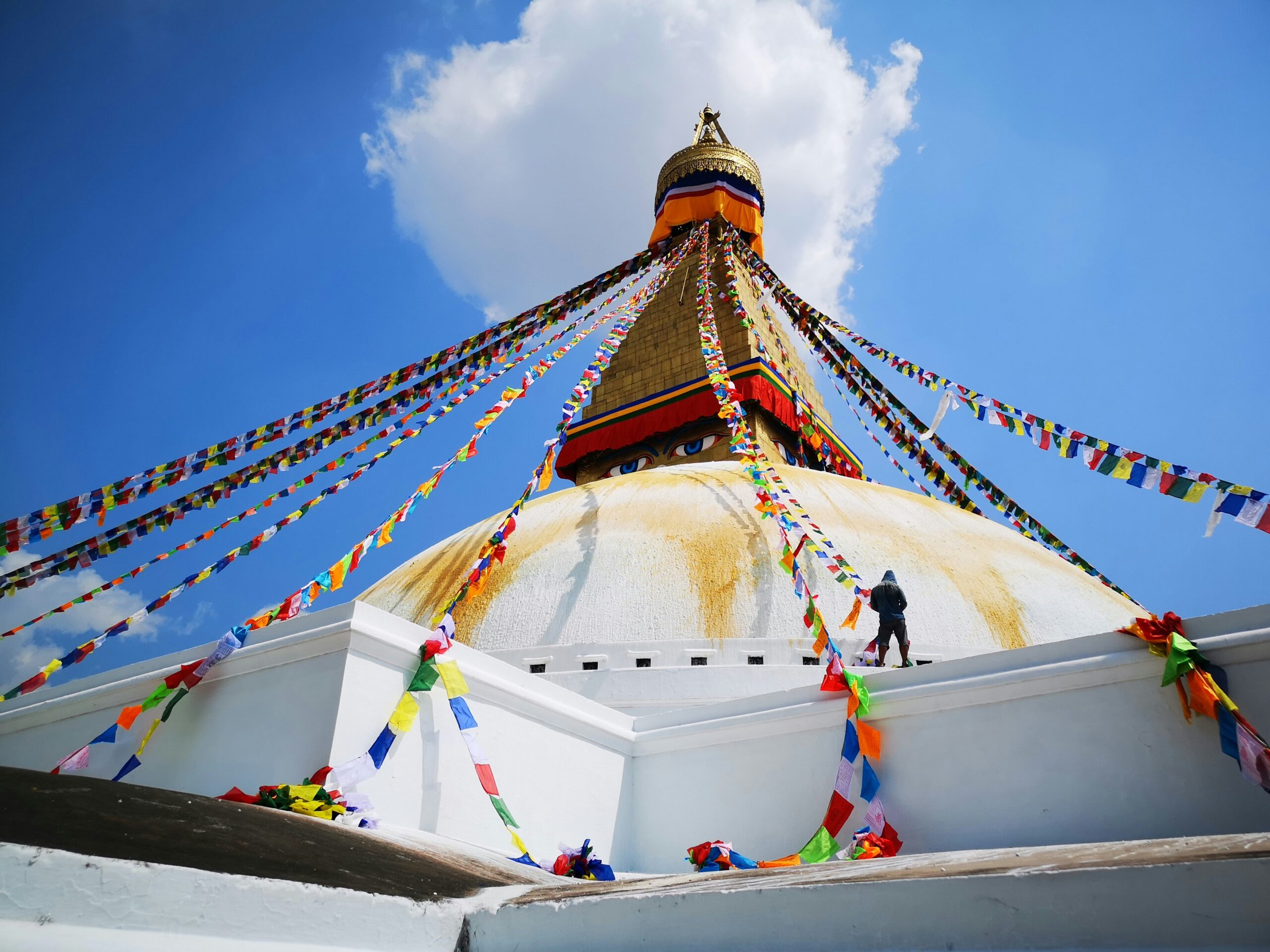
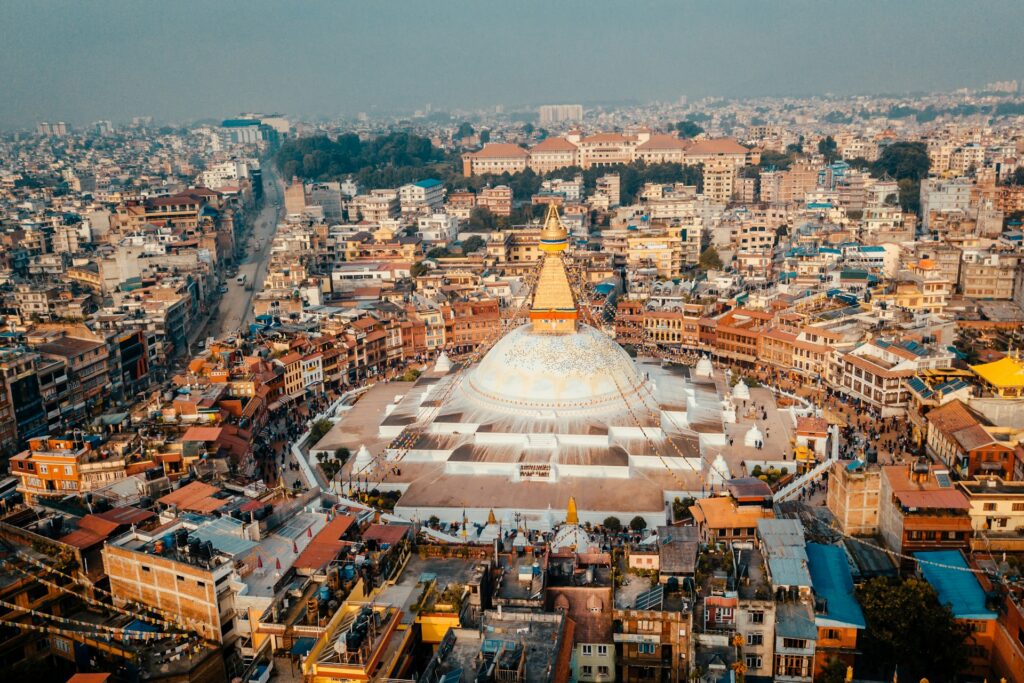
In the heart of Kathmandu, Nepal, stands one of the most sacred Buddhist sites in the world: Boudhanath Stupa (also known as Boudha Stupa or Jarung Kashor). This magnificent white dome, adorned with the all-seeing eyes of Buddha, has been a place of pilgrimage and meditation for over 1,400 years, drawing Buddhist devotees and curious travelers from across the globe.
Whether you’re a spiritual seeker, cultural enthusiast, or traveler exploring Kathmandu, Boudhanath Stupa offers an unforgettable glimpse into Tibetan Buddhist culture and Nepalese heritage. This comprehensive guide covers everything you need to know about visiting this UNESCO World Heritage Site.
What is Boudhanath Stupa?
Boudhanath Stupa is one of the largest spherical stupas in Nepal and the world. Located about 11 kilometers (7 miles) northeast of central Kathmandu, it sits at the center of a thriving Tibetan community and serves as the most important Tibetan Buddhist monument outside of Tibet itself.
Quick Facts
- Type: Buddhist stupa (shrine)
- Height: 36 meters (118 feet)
- Diameter: 100 meters (328 feet) at base
- Location: Boudha, Kathmandu, Nepal
- UNESCO Status: World Heritage Site (since 1979)
- Age: Approximately 1,400-1,600 years old
- Religion: Tibetan Buddhism, Newar Buddhism
- Annual Visitors: Hundreds of thousands
History & Legends

Ancient Origins
The exact date of Boudhanath’s construction remains debated among historians, but most evidence suggests it was built in the 5th or 6th century CE, making it approximately 1,400 to 1,600 years old. Some legends place its origins even earlier, in the time of Buddha himself (around 600 BCE), though this is not supported by archaeological evidence.
The Legend of Jadzima
According to Tibetan Buddhist legend, the stupa was built by a woman named Jadzima (or Kangma in some versions), who requested permission from the king of Nepal to build a shrine. The king granted her as much land as a buffalo hide could cover. Being clever, she cut the hide into thin strips and laid them in a circle, claiming a vast area – the site where Boudhanath now stands.
The legend says the stupa was built to bury the remains of Kassapa Buddha (one of the previous Buddhas before Gautama Buddha). Another tradition holds that it contains relics of the historical Buddha, Shakyamuni.
Historical Significance
For centuries, Boudhanath served as an important stop on the ancient trade route between Tibet and Nepal. Tibetan merchants would rest and offer prayers at the stupa before continuing their journeys. This historical connection explains why the area around Boudhanath developed into the largest Tibetan community outside Tibet.
Architecture & Symbolism

The Mandala Design
Boudhanath Stupa is designed as a three-dimensional mandala (a geometric representation of the Buddhist cosmos). When viewed from above, the structure represents a giant mandala, with each element holding deep symbolic meaning in Buddhist philosophy.
Architectural Elements
1. The Base (Three-Tiered Platform)
- Symbolism: Represents Earth
- Design: Three large square or rectangular terraces
- Function: Pilgrims walk clockwise around these platforms (circumambulation or kora)
- Features: 108 niches containing prayer wheels and small Buddha statues
2. The Dome (Kumbha)
- Symbolism: Represents Water
- Appearance: Massive white hemisphere
- Size: Approximately 36 meters high
- Meaning: The enlightened mind
3. The Harmika (Square Structure)
- Symbolism: Represents Fire
- Feature: Painted with the Eyes of Buddha on all four sides
- The Eyes: Also called “Wisdom Eyes,” they symbolize Buddha’s all-seeing compassion
- The “Nose”: Actually the Nepali number one (१), representing unity and the path to enlightenment
- Third Eye: The spiral or question mark-like symbol represents the third eye of wisdom
4. The Spire (13 Tiers)
- Symbolism: Represents Air
- Design: 13 golden tiers tapering upward
- Meaning: The 13 steps to enlightenment in Buddhist philosophy
5. The Umbrella (Crown)
- Symbolism: Represents Ether/Space
- Design: Gilded canopy at the very top
- Meaning: Ultimate enlightenment and Buddhahood
The Prayer Wheels
Around the base of the stupa, you’ll find 108 prayer wheels set into niches. Pilgrims spin these wheels clockwise as they walk around the stupa. Each wheel contains thousands of mantras (sacred prayers), and spinning them is believed to be equivalent to reciting all those prayers.
Why 108? The number 108 is sacred in Buddhism, Hinduism, and other Eastern religions, representing spiritual completion and the universe.
Religious & Cultural Significance
For Tibetan Buddhists
After the 1959 Tibetan uprising and subsequent Chinese occupation of Tibet, thousands of Tibetan refugees fled to Nepal. Many settled around Boudhanath, making it the center of Tibetan culture and Buddhism outside Tibet. Today, the area houses over 50 Tibetan gompas (monasteries) and is home to one of the largest Tibetan communities in the world.
For Tibetan Buddhists, Boudhanath is:
- A place of pilgrimage and devotion
- A symbol of their cultural identity in exile
- A center for religious festivals and ceremonies
- A reminder of their homeland and spiritual heritage
Daily Rituals
Kora (Circumambulation): The most common devotional practice at Boudhanath is walking clockwise around the stupa while spinning prayer wheels and reciting mantras. Devotees perform this ritual early morning and evening, creating a meditative atmosphere.
Prostrations: Some devoted pilgrims perform full-body prostrations around the stupa, a physically demanding act of devotion that can take hours to complete.
Butter Lamp Offerings: Pilgrims light butter lamps (traditional Tibetan oil lamps) as offerings, symbolizing the dispelling of darkness and ignorance.
Festivals & Celebrations

Losar (Tibetan New Year)
When: February/March (date varies based on lunar calendar)
Duration: 15 days
The most important festival at Boudhanath, Losar celebrates the Tibetan New Year with elaborate ceremonies, monk dances, butter lamp offerings, and the replacement of prayer flags. Thousands gather to celebrate, making it the best time to experience Tibetan culture.
Buddha Jayanti (Buddha’s Birthday)
When: April/May (full moon day)
The stupa is decorated with prayer flags and lights, and special pujas (prayer ceremonies) are conducted to celebrate the birth, enlightenment, and death of Buddha.
Lhabab Duchen
When: October/November
Celebrates Buddha’s descent from heaven after teaching his mother. Pilgrims circumambulate the stupa throughout the night, believing that positive actions on this day are multiplied many times.
The 2015 Earthquake & Restoration
Devastating Damage
On April 25, 2015, a magnitude 7.8 earthquake struck Nepal, causing widespread devastation. Boudhanath Stupa suffered significant damage:
- The top spire partially collapsed
- Large cracks appeared in the dome
- Several smaller stupas around the main structure were damaged
- The harmika (eye structure) was displaced
Remarkable Restoration
In an incredible display of community effort and devotion, the restoration of Boudhanath was completed in just 18 months – far faster than expected. The project involved:
- Traditional craftsmen using ancient techniques
- Contributions from Buddhist communities worldwide
- Modern engineering to earthquake-proof the structure
- Careful documentation of the restoration process
The stupa was formally reopened in November 2016, with the Dalai Lama blessing the restoration. Today, it stands as a symbol of resilience and the enduring spirit of Nepal’s Buddhist community.
Visiting Boudhanath Stupa
Practical Information
Location & Getting There
- Address: Boudha, Kathmandu 44600, Nepal
- Distance from Thamel: 8 km (5 miles) – 30-40 minutes by taxi
- From Airport: 6 km (3.7 miles) – 20-30 minutes
- Taxi fare: NPR 400-600 from Thamel
- Local bus: Available but crowded (NPR 20-30)
- Walking: Possible from nearby areas, but traffic is heavy
Entry & Fees
- Entry Fee: NPR 400 (approximately $3 USD) for foreign tourists
- Free for: Nepalese citizens, SAARC nationals, children under 10
- Ticket validity: Single entry, valid for the day
- Where to pay: Entry booths at main gates
Opening Hours
- Stupa grounds: Open 24/7 year-round
- Best visiting times:
- Dawn (5:00-7:00 AM): Watch pilgrims perform morning kora, peaceful atmosphere
- Dusk (5:00-7:00 PM): Evening prayers, butter lamps lit, magical ambiance
- Full moon nights: Special prayers and heightened spiritual atmosphere
What to Do
1. Walk the Kora (Circumambulation)
Join pilgrims in walking clockwise around the stupa. Spin the prayer wheels as you go and observe the devotion of Buddhist practitioners. This is free and the most authentic way to experience Boudhanath.
2. Visit Rooftop Cafes & Restaurants
The buildings surrounding the stupa house numerous restaurants and cafes with rooftop seating offering stunning views. Popular options include:
- Cafe du Temple: French bakery with excellent coffee
- Stupa View Restaurant: Traditional Tibetan and Nepali cuisine
- The Yellow House: Western and local dishes with great views
3. Explore Surrounding Monasteries
Over 50 monasteries surround Boudhanath. Some you can visit:
- Shechen Monastery: One of the largest, beautiful architecture
- Ka-Nying Shedrub Ling: Stunning interior, meditation sessions
- Jamchen Lhakhang: Historical significance, quiet atmosphere
Note: Some monasteries welcome visitors; others are private. Always ask permission and respect prayer times.
4. Shop for Tibetan Handicrafts
The area around Boudhanath is excellent for shopping:
- Prayer flags and prayer wheels
- Thangka paintings (traditional Buddhist art)
- Tibetan singing bowls
- Handmade jewelry and turquoise
- Incense and butter lamps
- Traditional Tibetan clothing and textiles
5. Photography
Boudhanath is extremely photogenic:
- Best angles: From rooftop cafes for elevated views
- Best light: Golden hour (sunrise and sunset)
- Respectful photography: Ask permission before photographing pilgrims and monks
- No flash: Inside monasteries and during prayers
Visitor Etiquette
- ✅ Dress modestly: Cover shoulders and knees
- ✅ Walk clockwise: Always circumambulate in clockwise direction
- ✅ Remove shoes: Before entering monasteries
- ✅ Be quiet: Keep voices low, respect the sacred atmosphere
- ✅ Ask permission: Before photographing people
- ✅ Respect prayer times: Don’t disturb monks during ceremonies
- ❌ Don’t climb: The stupa itself (only walk around base)
- ❌ Don’t touch: Sacred objects without permission
- ❌ Don’t point feet: At Buddha statues or the stupa
Best Time to Visit
By Season
- October-November: Perfect weather, festival season (Lhabab Duchen), clear mountain views
- February-March: Losar festival, pleasant temperatures, spring flowers
- December-January: Cold but clear, fewer tourists, peaceful atmosphere
- April-May: Warm, Buddha Jayanti celebrations, some haze
- June-September: Monsoon season, fewer crowds but rain and clouds
By Time of Day
- Early morning (5:00-7:00 AM): Most authentic, watch morning rituals
- Evening (5:00-7:00 PM): Magical atmosphere with butter lamps and sunset
- Full moon evenings: Special energy, night-long kora by devotees
- Midday: Hot and crowded, less atmospheric but good for rooftop cafe views
How Long to Spend
- Quick visit: 1-2 hours (walk around, basic exploration)
- Half day: 3-4 hours (include rooftop cafe, monastery visit)
- Full day: 6+ hours (multiple monasteries, shopping, meals)
- For spiritual seekers: Stay nearby for several days to experience morning and evening rituals
Where to Stay Near Boudhanath
Budget Options
- Norling Guest House: $10-20/night, basic clean rooms, rooftop stupa views
- Rabsel Guest House: $15-25/night, friendly staff, good location
- Monastery guest houses: Some offer simple accommodation for pilgrims
Mid-Range
- Hotel Tibet International: $40-70/night, comfortable, Tibetan decor
- Boudha Stupa View: $50-80/night, excellent views, good restaurant
- Tibet Peace Inn: $30-50/night, peaceful garden, meditation friendly
Luxury
- Hyatt Place Kathmandu: $100-150/night, modern amenities, near stupa
- Park Village Resort: $80-120/night, peaceful setting, spa
Combine Your Visit
Boudhanath works well as part of a Kathmandu cultural tour. Nearby attractions include:
- Pashupatinath Temple (3 km): Holiest Hindu temple in Nepal, cremation ghats
- Kopan Monastery (2 km uphill): Meditation courses, stunning valley views
- Chabahil (2 km): Ancient smaller stupa and local markets
- Guhyeshwari Temple (3.5 km): Sacred Hindu goddess temple
Connect with Local Guides on VisitMeet
Want to experience Boudhanath like a local? Connect with knowledgeable Buddhist guides and Tibetan community members on VisitMeet who can:
- Explain the deep symbolism and Buddhist philosophy
- Introduce you to monks and monastery life
- Guide you to lesser-known monasteries
- Help you shop for authentic Tibetan handicrafts
- Recommend the best rooftop cafes for views
- Share stories about Tibetan culture and history
- Time your visit with special ceremonies and festivals
Join VisitMeet today and experience Boudhanath through the eyes of those who call it home!
Interesting Facts About Boudhanath
- 🏔️ Boudhanath is one of the largest stupas in the world
- 👁️ The Buddha eyes are painted on all four sides, watching over the Kathmandu Valley
- 🔄 Pilgrims walk around the stupa 108 times for maximum spiritual merit
- 🏛️ There are over 50 Tibetan monasteries (gompas) in the Boudhanath area
- 🎨 The stupa is repainted with white lime wash after monsoon season
- 🏆 UNESCO inscribed Boudhanath as a World Heritage Site in 1979
- 🇹🇧 It’s sometimes called “Little Tibet” due to the large Tibetan refugee community
- 📿 Over 108 prayer wheels surround the base (108 is a sacred number in Buddhism)
- 🕉️ The Nepali number “one” (१) between the eyes symbolizes unity and enlightenment
- ⚡ Despite severe earthquake damage in 2015, the main dome didn’t collapse
Final Tips for Your Visit
- Go early or late to avoid crowds and experience the spiritual atmosphere
- Bring cash for entry fee, shopping, and cafe bills (ATMs nearby but often have queues)
- Wear comfortable shoes you can easily remove (for monastery visits)
- Bring layers – mornings and evenings can be cool, midday hot
- Stay hydrated – bring water or buy from shops around
- Allow extra time – the atmosphere is conducive to slow exploration and meditation
- Learn basic Tibetan phrases – locals appreciate the effort
- Try Tibetan food at local restaurants (momos, thukpa, butter tea)
- Be patient – embrace the slower pace and spiritual energy
- Return multiple times – each visit offers different experiences
Conclusion: A Must-Visit Sacred Site
Boudhanath Stupa is more than just a tourist attraction – it’s a living, breathing center of Tibetan Buddhist culture and a place of profound spiritual significance. Whether you’re seeking spiritual enlightenment, cultural immersion, or simply a unique experience in Kathmandu, Boudhanath delivers.
The sight of the massive white dome with the penetrating Buddha eyes, the sound of chanting monks and spinning prayer wheels, the smell of incense and butter lamps, and the devotion of pilgrims performing their kora creates an atmosphere unlike anywhere else in the world.
Visit at dawn to witness the awakening rituals, return at dusk to see the stupa illuminated by butter lamps, and take time to simply sit and absorb the peaceful energy that has drawn pilgrims here for over fourteen centuries.
Have you visited Boudhanath Stupa? Share your experiences and tips in the comments below!
References & Sources
This article was researched using information from multiple sources including:
- Wikipedia: Boudhanath – Licensed under CC BY-SA 3.0
- UNESCO World Heritage Centre: Kathmandu Valley
- Personal visits and observations by VisitMeet community members
- Interviews with local Tibetan Buddhist guides and monks
Content compiled and written for travelers by the VisitMeet team. All information accurate as of February 2026.
Ready to explore Boudhanath and more of Nepal? Sign up on VisitMeet to connect with local guides who can show you the hidden gems and authentic experiences of Kathmandu and beyond!
Ready to Explore Nepal?
Connect with local guides and travelers on VisitMeet. Plan your perfect Himalayan adventure with authentic experiences and expert advice.
Sign Up on VisitMeet
Leave a Reply