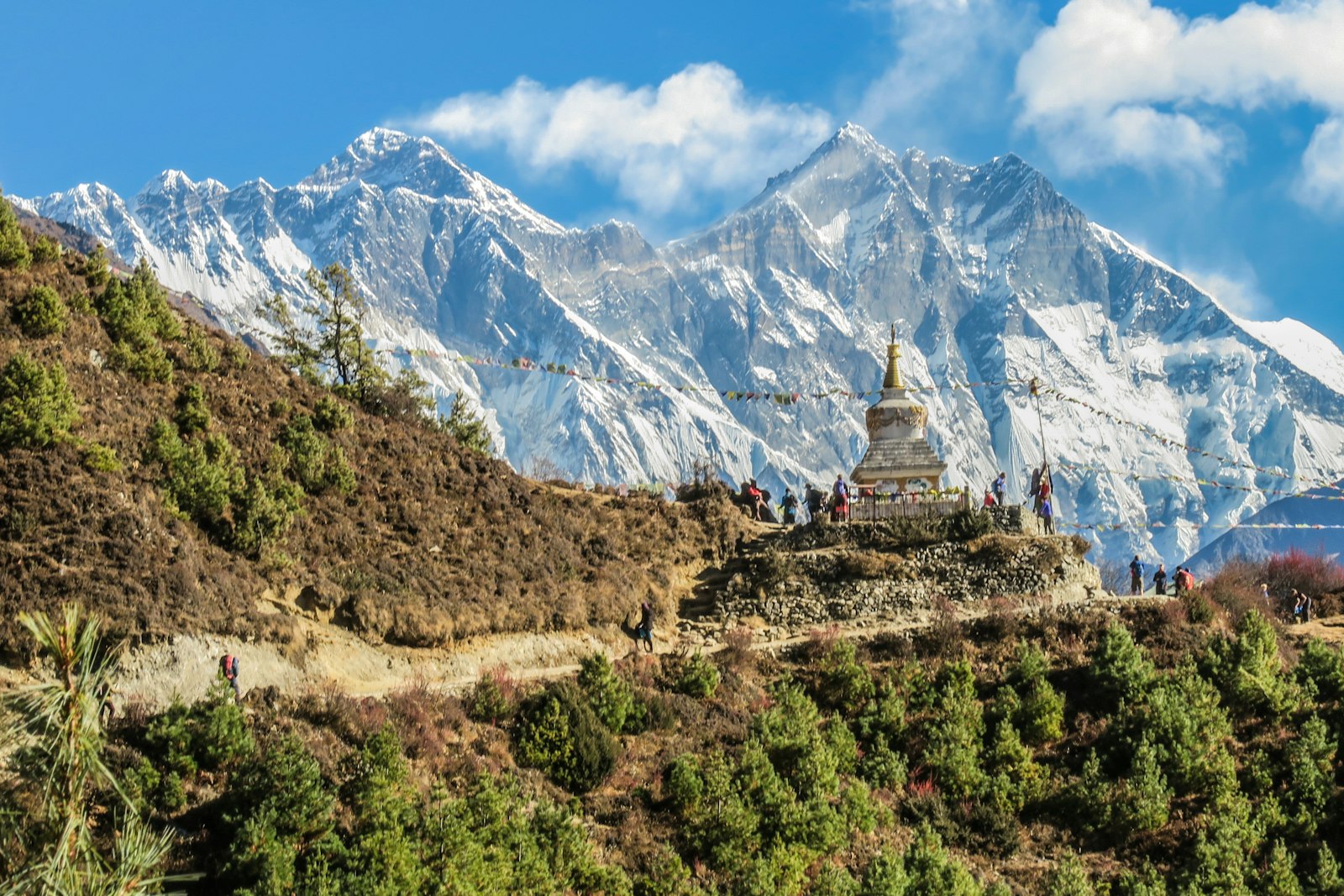
Discover one of the world’s most spectacular trekking destinations where ancient culture meets breathtaking Himalayan beauty
There are places on Earth that redefine what it means to be awe-struck. The Annapurna region in Nepal is one of them. Here, snow-capped giants pierce the sky, prayer flags flutter in the mountain breeze, and ancient villages cling to hillsides where time seems to move at a different pace.
For travelers seeking authentic experiences that go beyond the ordinary, the Annapurna region offers something truly special: a journey that transforms not just how you see the world, but how you see yourself.
Welcome to the Annapurna Sanctuary
Nestled in north-central Nepal, the Annapurna region is home to some of the world’s most dramatic mountain scenery. The Annapurna massif includes several peaks over 7,000 meters, with Annapurna I standing at 8,091 meters (26,545 feet) as the 10th highest mountain in the world.
But numbers alone can’t capture the magic of this place. It’s in the way morning light touches distant glaciers, turning them gold. It’s in the warm smile of a teahouse owner offering you a cup of butter tea after a long day’s trek. It’s in the sound of monks chanting in centuries-old monasteries, their voices echoing across valleys that have witnessed human perseverance for millennia.
Why Trek the Annapurna Region?
Unparalleled Diversity
The Annapurna region is remarkably diverse. Within a few days of trekking, you’ll journey through:
- Subtropical forests filled with rhododendron and bamboo
- Alpine meadows dotted with wildflowers
- High-altitude deserts reminiscent of the Tibetan plateau
- Glacial landscapes where ice meets rock in spectacular formations
Rich Cultural Heritage
This isn’t just a nature trek—it’s a cultural immersion. The Annapurna region is home to several ethnic groups, including Gurungs, Magars, Thakalis, and Manangis. Each village you pass through tells a story of resilience, adaptation, and deep spiritual tradition.
You’ll encounter:
- Buddhist monasteries and Hindu temples coexisting harmoniously
- Traditional stone houses with intricately carved windows
- Local festivals celebrating harvests and ancient deities
- Warm hospitality that makes strangers feel like family
Accessible Adventure
Unlike some Himalayan treks that require technical climbing skills, the Annapurna Circuit and Annapurna Base Camp treks are accessible to most people with reasonable fitness. The well-established trail system and network of teahouses make it possible to trek without carrying heavy camping gear.
The Main Treks
Annapurna Circuit (12-21 days)
The classic circumnavigation of the Annapurna massif, this trek takes you from lush subtropical valleys through the dramatic Thorong La Pass (5,416m) and into the rain shadow of the Himalayas. You’ll experience an incredible range of landscapes and cultures in one continuous journey.
Highlights:
- Crossing Thorong La Pass at sunrise
- Exploring the ancient pilgrimage town of Muktinath
- Walking through the world’s deepest gorge (Kali Gandaki)
- Hot springs at Tatopani
Annapurna Base Camp (7-12 days)
A shorter but equally spectacular trek that takes you into the heart of the Annapurna Sanctuary. You’ll stand at 4,130 meters, surrounded by some of the world’s highest peaks in a natural amphitheater of rock and ice.
Highlights:
- Sunrise views from Poon Hill
- Traditional Gurung villages like Ghandruk
- The magical Modi Khola gorge
- 360-degree mountain panoramas from ABC
Poon Hill Trek (3-5 days)
Perfect for those with limited time, this short trek offers incredible mountain views and cultural experiences without the extreme altitude.
Best Time to Visit
Spring (March-May): Rhododendrons bloom, temperatures are comfortable, and visibility is generally excellent. This is peak season for a reason.
Autumn (September-November): Clear skies, stable weather, and comfortable temperatures make this the most popular trekking season. Book accommodations in advance.
Winter (December-February): Cold at higher elevations, but crystal-clear views and fewer crowds. Lower elevations remain comfortable.
Monsoon (June-August): Heavy rain in lower areas, but the upper Mustang region (north of Annapurna) is in the rain shadow and remains dry.
Connecting with Local Communities
What makes the Annapurna region special isn’t just the mountains—it’s the people. This is where VisitMeet’s philosophy comes alive: authentic travel means genuine connections.
Consider spending extra time in villages rather than rushing through. Stay in family-run teahouses where you can:
- Learn to cook dal bhat (Nepal’s staple meal)
- Help with daily tasks like fetching water or tending animals
- Share stories around the evening fire
- Learn about local medicinal plants and traditional healing
- Participate in village festivals if your timing is lucky
These interactions transform a trek from a physical achievement into a deeply human experience. You’ll return home with not just photos of mountains, but memories of laughter, shared meals, and newfound friendships.
Practical Tips for Your Annapurna Adventure
Permits
- TIMS Card (Trekkers’ Information Management System)
- Annapurna Conservation Area Permit (ACAP)
- Both can be obtained in Kathmandu or Pokhara
Altitude Acclimatization
Take altitude seriously. Ascend gradually, stay hydrated, and listen to your body. Acute Mountain Sickness (AMS) is preventable with proper acclimatization.
What to Pack
- Layered clothing for varying temperatures
- Good quality trekking boots (broken in!)
- Sleeping bag (can be rented)
- Water purification tablets or filter
- First aid kit and any personal medications
- Power bank (electricity can be limited)
Responsible Trekking
- Pack out all trash, including toilet paper
- Use refillable water bottles instead of buying plastic
- Respect local customs and dress modestly
- Support local businesses and guides
- Don’t give money or candy to children (it encourages begging)
Beyond the Trek: Pokhara Base
Most Annapurna treks start from Pokhara, Nepal’s adventure capital. This lakeside city deserves a few days of your time before or after your trek:
- Phewa Lake: Rent a boat and paddle to the island temple
- Paragliding: Soar above the valley with Himalayan views
- Cafes and restaurants: Excellent food scene with international options
- Massage and spa: Recover from your trek in comfort
The Transformative Power of the Himalayas
Ask anyone who has trekked in the Annapurna region, and they’ll tell you the same thing: something changes. Maybe it’s the daily simplicity—wake up, walk, eat, sleep, repeat. Maybe it’s the humbling perspective of standing beneath mountains that dwarf human concerns. Maybe it’s the kindness of people who have so little but give so generously.
The Annapurna region strips away the unnecessary and reveals what matters: connection, perseverance, gratitude, and the simple joy of placing one foot in front of the other while surrounded by staggering beauty.
Your Annapurna Journey Awaits
Whether you have two weeks for the full circuit or just a few days for a taste of the Himalayas, the Annapurna region offers experiences that will stay with you forever. This isn’t tourism in the conventional sense—it’s transformation. It’s the kind of authentic, meaningful travel that changes how you see the world.
And here’s the beautiful truth: you don’t need to do it alone. Connect with experienced local guides who know not just the trails, but the stories. Trek with others who share your spirit of adventure. Stay in villages where your presence directly supports local families.
This is what authentic travel looks like. This is what the Annapurna region offers. This is what adventure truly means.
Ready to Plan Your Himalayan Adventure?
Connect with local guides and experienced trekkers on VisitMeet
Photo credit: Unsplash – Beautiful Annapurna mountain range vista showcasing the majesty of the Himalayas
Ready to Explore Nepal?
Connect with local guides and travelers on VisitMeet. Plan your perfect Himalayan adventure with authentic experiences and expert advice.
Sign Up on VisitMeet
Leave a Reply